

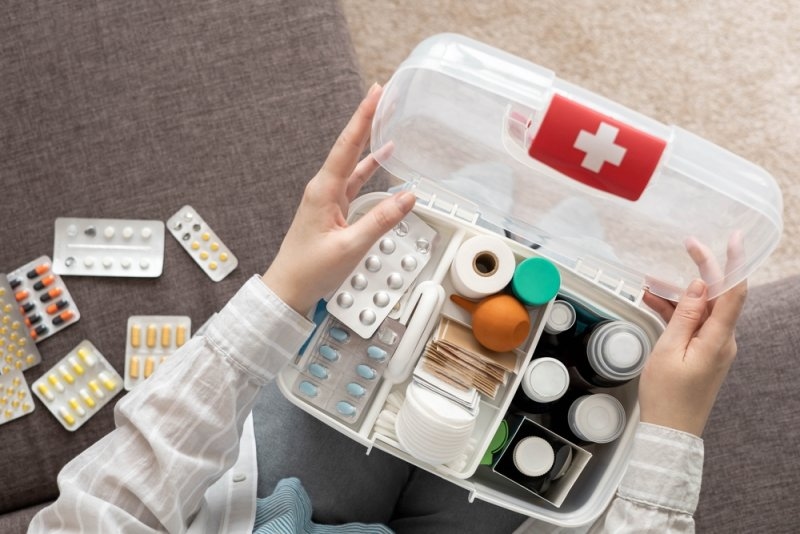
Information on how to store medicines to ensure they stay in the best condition – prevent them from getting spoilt by heat, moisture, sunlight, and mix-ups.
For example, whether you're using your prescription drugs, OTCs, or children's medicines, the place where you store your medicines makes a difference. Learn these simple storage tips for medicines to protect your medicines at home.
The first step in safe medicine storage is to choose a good location. Most medicines should be stored in a cool, dry place out of the reach of children and away from the heat of ovens, sinks, and direct sunlight. Read the label for storage instructions and follow them carefully.
You could try a bedroom cabinet, a cupboard in the hall, or a special medicine cabinet, if the area is kept within the recommended temperature range. Do not use any bathroom cabinets, where shower steam can create humidity. Here’s how to store medicines at home:
The original containers aid you in recognizing the medicines, looking for expiration dates, and following doses and storage instructions. Be sure to close jar lids and caps firmly unless the directions on the item state otherwise.
If you take pills to the pharmacy in a bottle that's not its original container or in a bottle with other medications, don't put pills into a different unmarked container. If you use a pill organizer, look up your medication to see if it should be stored in a bottle and consult a pharmacist before placing medication in a new bottle.
Where to store medicines: Choice of storage depends on the medicine, the product's storage requirements, and your own house. Find a place that adult household members who need the medication can get to – but out of reach of children and pets.
Keep medicines out of sight in high cupboards, medicine cabinets, and cupboards you can lock if you have visitors or young children in the house.
What temperature should medicines be stored at?
Temperature is perhaps the most essential medicine storage instruction to remember. No single temperature is appropriate for all medicines. Some medicines are stable at room temperature, yet others require refrigeration or a particular temperature threshold.
At what temperature should medicines be stored? Always read the label or the information leaflet provided by your pharmacist for details of storage conditions. Controlled room temperature is usually understood to mean 20C to 25C (68F to 77F), although some medicines may have different storage conditions.
Hot temperatures can harm some medications, including some heat-sensitive drugs. Don't leave medicines in your car, on a car dashboard, near a window in direct sunlight, or near an oven or stove.
Store in an indoor location where the temperature remains fairly constant. Call your pharmacist for advice if a drug has been stored in excessive heat to ensure that the medication does not need to be replaced.
How to protect your medicines from heat and moisture:
Safe medicine storage requires keeping medicines safe from heat and moisture. Some medications are sensitive to high humidity and temperature fluctuations.
Bathrooms are not suitable for storing many medicines since the steam from a shower provides a humid environment. Even in a tightly sealed container, problems can arise if the storage conditions are inappropriate.
Store medicines away from the sink, shower, or other damp areas. Ensure containers are kept tightly closed after use and heed instructions for use of any powder or silica packets contained within medicine packaging.
Never leave medicine on window ledges or in hot places in your house. If your medicine gets wet or if it changes colour, texture, smell or appearance, ask your pharmacist if you need a new one.
Only if the medication label or doctor/healthcare professional says the medicine can or should be refrigerated. Not all medicines are suitable for refrigeration.
An organized medicine storage system helps you locate drugs, monitor expiration dates, and avoid accidental sharing of the drugs. Have one designated storage space rather than several around your home. Here are a few medicine storage guidelines
Review your medicines from time to time and get rid of medicines that are no longer used or that have expired. Review medicines and their labels, storage conditions, etc. during the review.
Never take a medication if it looks different than what you remember or appears broken or misshapen. Both expiration and storage conditions are important in determining whether a medicine is safe.
Return medicines to their rightful place after each use. Keep a list of all medicines within the household in case of emergencies (by name, safe storage requirements, and shelf life).
It can be the little things that make all the difference when storing your medication safely. By following these simple tips, you can ensure you are storing your medication safely.
To conclude, these will help you to provide optimum storage of your medicine, but it is always advisable to follow the product-specific directions.
When it comes to proper medication storage, questions like "where to store medicines" and "Why proper storage of medicine is important" help you to learn more: Knowing how to store medicine helps us ensure it remains of high quality and can be used safely in the home. Store products in the appropriate places, observe temperature requirements, and keep them away from heat, moisture, and light, and out of reach of children.
Proper medication storage doesn't mean keeping everything in the same fridge or cabinet.
You could store the medicine in a kitchen cabinet if it remains cool, dry, and doesn't get too close to heat or moisture. Don't store it in a cabinet close to the oven, stovetop, or sink. Read the label for storage information.
Some medications need to be refrigerated, so check this with the manufacturer. If they do, ensure they are stored at the correct temperature with suitable cooling packs and discuss any concerns with your pharmacist.
You might be able to bring a few medications in your purse. Anything kept there can be affected if exposed to heat, light, or moisture for an extended period of time. Store medication in the original container and do not leave your purse in hot places.
Keep medications in the original package in a closed cabinet or other locked cabinet that your pet can't get in. Never leave tablets on counters, tabletops, or floors. Call your veterinarian or an animal poison center if you think your pet has taken medication.
Never flush medicines down the toilet or pour them in the drain unless the disposal instructions for the medicine specifically say to do so. Use an authorized medicine take-back location or follow the disposal directions in your local disposal program. Store medicines safely until disposal.
This content was created by AI