

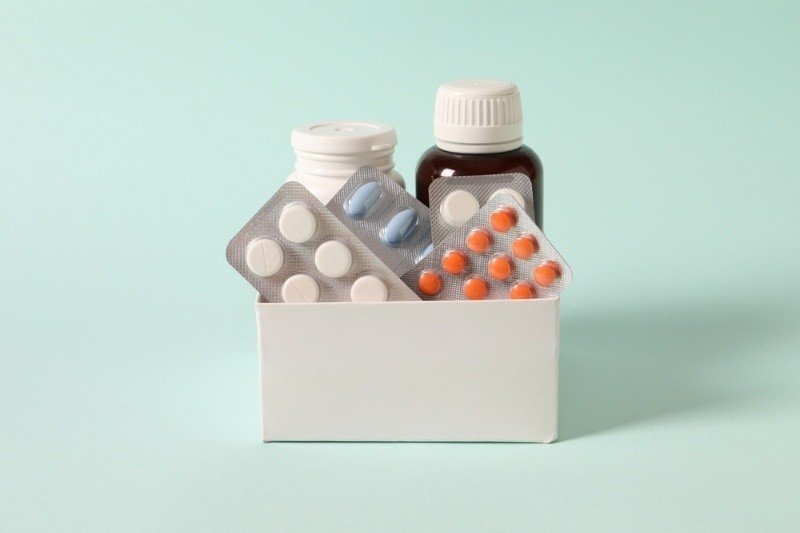
It is very confusing for most people to know when they should buy prescriptions versus over-the-counter medicines. Although both are intended to treat various health problems, they are not a substitute for each other.
Certain health problems can be treated with over-the-counter medication, but others need to be treated with a prescription drug by a doctor.
When considering health, it helps to know the difference between OTC and prescribed medicines. They may be approved in different circumstances depending upon their efficacy, dosage, and whether medical knowledge would be useful in taking them.
This medicine comparison details the properties of each type, their indicated usage, and safety information before commencing use. Furthermore, a trusted healthcare guide available on most sites can also help prevent common errors.
Over-the-counter drugs- These are medicines you can buy without a prescription. They are meant for the relief of minor health problems, including headache, fever, hay fever, colds, coughs, minor pain, heartburn, and skin conditions.
While over-the-counter drugs are very easy to purchase, they should not be taken lightly. All products come with a label that includes instructions regarding the dosage, age restrictions, and information about possible side effects. It is therefore very important to read the label carefully. Consuming more than the indicated dosage or taking drugs with the same active ingredient can also be dangerous.
Prescription medications are any medicines required for their use that require a prescription from a physician; they are usually also associated with the severity of the treatment to be performed, increased doses, or specific side effects that require more monitoring.
They are prescribed for patients who require treatment for bacterial infections, for example, in instances involving several chronic and major conditions. The selection to take any type of prescription will depend on a doctor who will assess all the health and wellness, medical information, all kinds of drugs you have to be taking, and also your signs and symptoms to make a better therapy.
An easy medicine comparison helps to understand the difference:
This medication comparison reveals that the best medicine isn’t necessarily the easiest to purchase. Picking the correct medication depends on what symptoms you have and your diagnosis and requires consultation with a doctor.
Over-the-counter medicines are appropriate for issues that are short-term and resolve within a couple of days. This would include headaches, muscle aches, minor cold severity, allergies, occasional minor stomach upset, and mild temperature.
However, if symptoms are worsening, persist for longer than anticipated, or recur, you should not continue with self-treatment indefinitely. A reliable medical guide suggests consulting a healthcare professional if symptoms persist or other symptoms develop. Long-term use of over-the-counter medication may delay the diagnosis of a more serious illness.
Many conditions need more than just bland symptom suppression. Certain conditions require a prescription when diagnosis, treatment, or monitoring are vital.
For instance, bacterial infections typically utilize antibiotics, whereas long-term illnesses, including diabetes or high levels of blood pressure, call for uniquely chosen medicines, examined on a regular basis. Besides, several mental health issues, other immune system diseases, and asthma sometimes need prescription medicines in order to minimize a variety of health problems.
DO NOT take another person's prescription medicines, even if you have similar symptoms, as they are not necessarily right for you.
Knowing the right precautions to be taken can help prevent issues with medicines when using either an over-the-counter medicine or a prescribed one.
Important precautions to be taken include:
Making these simple changes can help substantially reduce medication errors and improve the effectiveness of treatment.
One of the biggest medication mistakes is to think OTC drugs are completely safe since they are OTC. There is no drug that is completely safe unless administered strictly by a doctor when dosed for a person (this is, in turn, not always safe for use).
Another mistake is that they usually stop taking prescription medicines exactly when they feel better. There are some medicines, right from antibiotics, that have to be taken without missing any doses to be effective. If instructions are not followed, the treatment may not work.
A good pharmacy guide will advise you to check the active ingredients before you start taking multiple medicines. Several products contain the same active ingredients, which may increase the risk of overdose.
Knowledge of OTC vs prescription medicines is crucial in helping us select the right medicine to use. OTC medicines are frequently bought to treat the many common health conditions that occur daily; however, the illness may also have to be treated professionally with a prescription medication.
An exclusive medicine comparison, together with using the necessary precautions, using a safe healthcare guide, and just taking medicines when necessary, ensures that the right medicinal drugs are used correctly, safely, and to their optimal effect.
Yes, over-the-counter medications readily accessible at retail outlets can have side effects and adverse health effects. Take these medicines in accordance with directions for the best and safest possible results and consult a physician, rather than increasing dosage if symptoms persist or grow worse.
Many available Rx medicines are powerful, with the potential for high levels of side effects, or require frequent and systematic checks and observation. A medical practitioner must diagnose your situation, treat you, and write a prescription for the specified drug.
Expired medicines may pose safety hazards when they have passed their expiry date or are improperly stored. Many programs and clinics allow for the free, convenient, and safe disposal of expired medicines by patients.
Yeah. Certain foods can impact both prescription medications and OTC items, which may work. Read the instructions given by the doctor or the pharmacy before taking one of them.” Consult your doctor. It is advisable for one to get recommendations from their doctor when it comes to that.
This content was created by AI